Excursion Resources
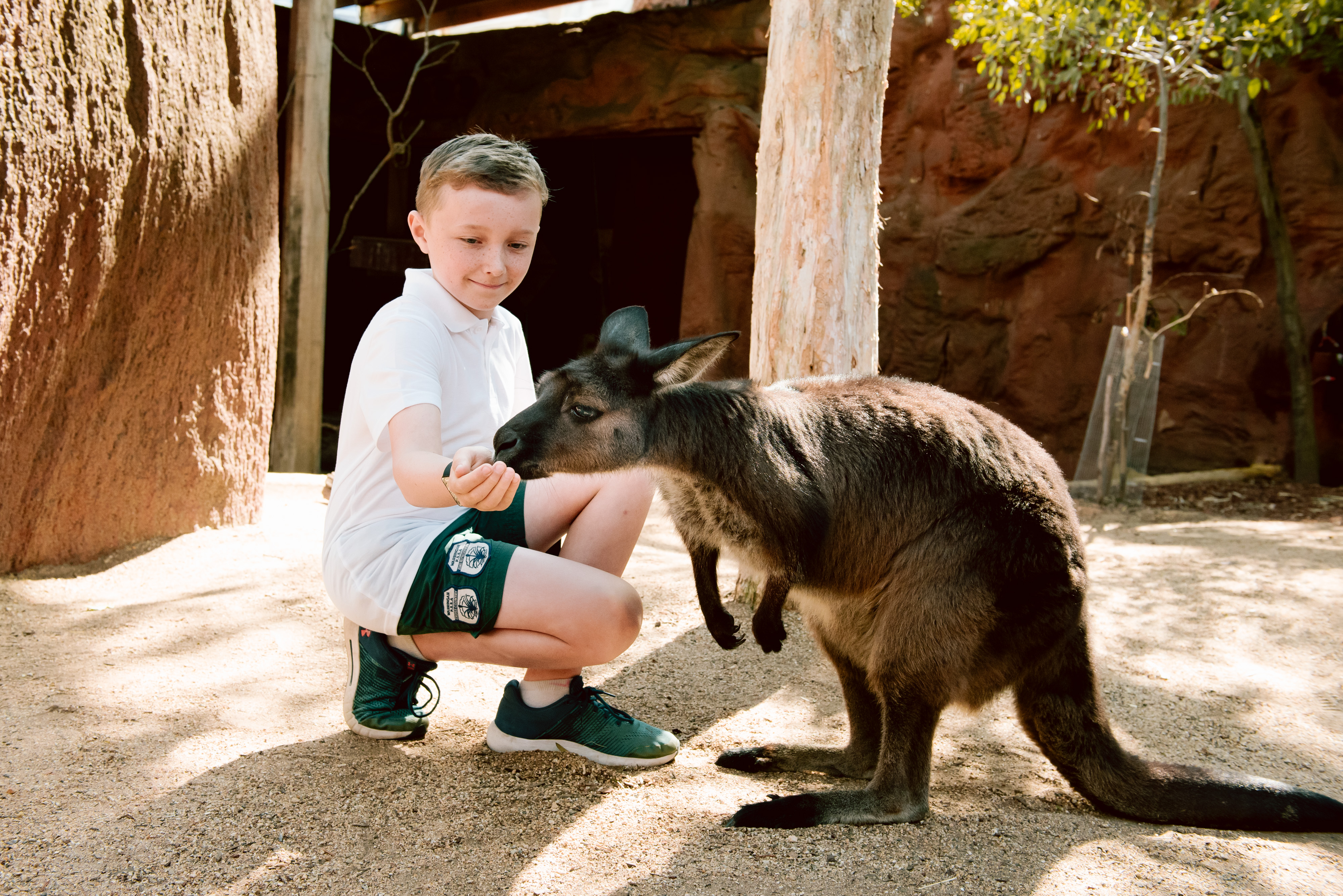
FREE, curriculum-aligned excursion resources designed to make your school excursion to WILD LIFE Sydney Zoo a breeze!
The below NSW curriculum-aligned resources and teacher guides provide teachers with all the expert information they need to know to make their school excursion the best day out!
With excursion activities, cool animal facts, and real-zoo examples,these are a must for any teacher to download on their next excursion to WILD LIFE.
Make the most out of your excursion with a Guided Tour, run by an expert Educator.
Get new resources sent straight to your inbox - sign up below!
Sign up now!Self-Guided Resources by Topic

Self-Guided Conservation Excursion Resource
This self-guided Conservation booklet is aligned to the NSW Curriculum from Early Stage 1 to Stage 3. Students explore why animals need protection, investigate threats to native species, discover conservation initiatives and learn how individual and community actions can help protect Australia's unique wildlife.
Each resource includes a comprehensive teacher guide and a student booklet designed to be used during a self-guided visit to WILD LIFE Sydney Zoo.
TEACHER GUIDE: DOWNLOAD
Use this Teacher Guide for talking points on our animals and initiatives around the Zoo. Example questions can be found in this document, along with focus animal examples. [ALL STAGES]
EARLY STAGE 1: DOWNLOAD
STe-4LW-ST: Explores the characteristics, needs and uses of living things.
GEe-1: Identifies places and develops an understanding of location.
ENe-1A: Communicates with peers and known adults in informal and guided activities.
ENe-5A: Demonstrates developing skills in responding to and composing texts.
CAe: Represents ideas and experiences in a variety of ways.
STAGE 1: DOWNLOAD
ST1-4LW-S: Describes living things and how environments support their survival.
GE1-1: Describes features of places and the connections people have with places.
GE1-2: Identifies ways in which people interact with and care for places.
EN1-1A: Communicates with a range of people in informal and guided activities.
EN1-2A: Plans, composes and reviews a range of texts.
CA1: Represents ideas, observations and imagination in a variety of ways.
STAGE 2: DOWNLOAD
ST2-4LW-S: Examines how environments support the growth and survival of living things.
ST2-2DP-T: Selects and uses materials, tools and processes to develop solutions.
GE2-1: Examines features and characteristics of places and environments.
GE2-2: Describes the ways people, places and environments interact.
EN2-1A: Communicates effectively in a range of contexts.
EN2-2A: Plans, composes and reviews texts for a variety of purposes.
MA2-17SP: Collects, displays and interprets data.
CA2: Uses creative and critical thinking to represent ideas and observations.
STAGE 3: DOWNLOAD
ST3-4LW-S: Explains how human activity impacts ecosystems and biodiversity.
ST3-2DP-T: Plans and uses design processes to generate and communicate solutions.
GE3-1: Describes the diverse features and characteristics of places and environments.
GE3-2: Explains interactions and connections between people, places and environments.
EN3-1A: Communicates effectively for a variety of audiences and purposes.
EN3-6B: Uses knowledge of sentence structure, grammar and vocabulary to compose texts.
MA3-18SP: Uses appropriate methods to collect and interpret data.
CA3: Uses creative and critical thinking to solve problems and represent ideas.

Self-Guided Food Webs & Life Cycles Excursion Booklet
This self-guided Food Webs & Life Cycles booklet is aligned to the NSW Curriculum from Early Stage 1 to Stage 3. Students investigate feeding relationships, food chains, food webs, growth and development, and discover how living things are connected within ecosystems.
Each resource includes a comprehensive teacher guide and a student booklet designed to be used during a self-guided visit to WILD LIFE Sydney Zoo.
TEACHER GUIDE: DOWNLOAD
Use this Teacher Guide for talking points on our animals and initiatives around the Zoo. Example questions can be found in this document, along with focus animal examples. [ALL STAGES]
EARLY STAGE 1: DOWNLOAD
STe-4LW-ST: Explores the characteristics, needs and uses of living things.
GEe-1: Identifies places and develops an understanding of location.
ENe-1A: Communicates with peers and known adults in informal and guided activities.
CAe: Represents ideas and experiences in a variety of ways.
STAGE 1: DOWNLOAD
ST1-4LW-S: Describes living things and their external features, basic needs and growth.
GE1-1: Describes features of places and the connections people have with places.
GE1-2: Identifies ways in which people interact with and care for places.
EN1-1A: Communicates with a range of people in informal and guided activities.
EN1-2A: Plans, composes and reviews a range of texts.
CA1: Represents ideas, observations and imagination in a variety of ways.
STAGE 2: DOWNLOAD
ST2-4LW-S: Examines relationships between living things and their environments.
ST2-2DP-T: Selects and uses materials, tools and processes to develop solutions.
GE2-1: Examines features and characteristics of places and environments.
GE2-2: Describes the ways people, places and environments interact.
EN2-1A: Communicates effectively in a range of contexts.
EN2-2A: Plans, composes and reviews texts for a variety of purposes.
MA2-17SP: Collects, displays and interprets data.
CA2: Uses creative and critical thinking to represent ideas and observations.
STAGE 3: DOWNLOAD
ST3-4LW-S: Explains interactions between living things and how ecosystems function.
ST3-2DP-T: Plans and uses design processes to generate and communicate solutions.
GE3-1: Describes the diverse features and characteristics of places and environments.
GE3-2: Explains interactions and connections between people, places and environments.
EN3-1A: Communicates effectively for a variety of audiences and purposes.
EN3-6B: Uses knowledge of sentence structure, grammar and vocabulary to compose texts.
MA3-18SP: Uses appropriate methods to collect and interpret data.
CA3: Uses creative and critical thinking to solve problems and represent ideas.

Self-Guided Classification & Adaptations Excursion Resource
This self-guided Classification & Adaptations booklet is aligned to the NSW Curriculum from Early Stage 1 to Stage 3. Students investigate how scientists classify animals, identify similarities and differences between species, and explore the structural and behavioural adaptations that help animals survive in their environments.
Each resource includes a comprehensive teacher guide and a student booklet designed to be used during a self-guided visit to WILD LIFE Sydney Zoo.
TEACHER GUIDE: DOWNLOAD
Use this Teacher Guide for talking points on our animals and initiatives around the Zoo. Example questions can be found in this document, along with focus animal examples. [ALL STAGES]
EARLY STAGE 1: DOWNLOAD
STe-4LW-ST: Explores the observable features and characteristics of living things.
GEe-1: Identifies places and develops an understanding of location.
ENe-1A: Communicates with peers and known adults in informal and guided activities.
ENe-5A: Demonstrates developing skills in responding to and composing texts.
CAe: Represents ideas and experiences in a variety of ways.
STAGE 1: DOWNLOAD
ST1-4LW-S: Describes living things using observable features and identifies similarities and differences.
GE1-1: Describes features of places and the connections people have with places.
GE1-2: Identifies ways in which people interact with and care for places.
EN1-1A: Communicates with a range of people in informal and guided activities.
EN1-2A: Plans, composes and reviews a range of texts.
CA1: Represents ideas, observations and imagination in a variety of ways.
STAGE 2: DOWNLOAD
ST2-4LW-S: Examines how structural and behavioural adaptations help living things survive.
ST2-2DP-T: Selects and uses materials, tools and processes to develop solutions.
GE2-1: Examines features and characteristics of places and environments.
GE2-2: Describes the ways people, places and environments interact.
EN2-1A: Communicates effectively in a range of contexts.
EN2-2A: Plans, composes and reviews texts for a variety of purposes.
MA2-17SP: Collects, displays and interprets data.
CA2: Uses creative and critical thinking to represent ideas and observations.
STAGE 3: DOWNLOAD
ST3-4LW-S: Analyses classification systems and explains how adaptations support survival.
ST3-2DP-T: Plans and uses design processes to generate and communicate solutions.
GE3-1: Describes the diverse features and characteristics of places and environments.
GE3-2: Explains interactions and connections between people, places and environments.
EN3-1A: Communicates effectively for a variety of audiences and purposes.
EN3-6B: Uses knowledge of sentence structure, grammar and vocabulary to compose texts.
MA3-18SP: Uses appropriate methods to collect and interpret data.
CA3: Uses creative and critical thinking to solve problems and represent ideas.

Self-Guided Habitats & Ecosystems Excursion Resource
This self-guided Habitats & Ecosystems booklet is aligned to the NSW Curriculum from Early Stage 1 to Stage 3. Using real-world examples from WILD LIFE Sydney Zoo, students investigate how living things depend on their environment, explore different habitats, identify adaptations and examine how humans impact ecosystems.
Each resource includes a comprehensive teacher guide and a student booklet designed to be used during a self-guided visit to WILD LIFE Sydney Zoo.
TEACHER GUIDE: DOWNLOAD
Use this Teacher Guide for talking points on our animals and initiatives around the Zoo. Example questions can be found in this document, along with focus animal examples. [ALL STAGES]
EARLY STAGE 1: DOWNLOAD
STe-4LW-ST: Explores the characteristics, needs and uses of living things.
GEe-1: Identifies places and develops an understanding of location.
ENe-1A: Communicates with peers and known adults in informal and guided activities.
CAe: Represents ideas and experiences in a variety of ways.
STAGE 1: DOWNLOAD
ST1-4LW-S: Describes living things and their external features, basic needs and habitats.
GE1-1: Describes features of places and the connections people have with places.
GE1-2: Identifies ways in which people interact with and care for places.
EN1-1A: Communicates with a range of people in informal and guided activities.
EN1-2A: Plans, composes and reviews a range of texts.
CA1: Represents ideas, observations and imagination in a variety of ways.
STAGE 2: DOWNLOAD
ST2-4LW-S: Examines how living things depend on each other and the environment to survive.
ST2-2DP-T: Selects and uses materials, tools and processes to develop solutions for an identified need or opportunity.
GE2-1: Examines features and characteristics of places and environments.
GE2-2: Describes the ways people, places and environments interact.
EN2-1A: Communicates effectively in a range of contexts.
EN2-2A: Plans, composes and reviews texts for a variety of purposes.
MA2-17SP: Collects, displays and interprets data.
CA2: Uses creative and critical thinking to represent ideas and observations.
STAGE 3: DOWNLOAD
ST3-4LW-S: Explains how the physical conditions of environments affect the survival of living things.
ST3-2DP-T: Plans and uses design processes to generate and communicate solutions.
GE3-1: Describes the diverse features and characteristics of places and environments.
GE3-2: Explains interactions and connections between people, places and environments.
EN3-1A: Communicates effectively for a variety of audiences and purposes.
EN3-6B: Uses knowledge of sentence structure, grammar and vocabulary to compose texts.
MA3-18SP: Uses appropriate methods to collect and interpret data.
CA3: Uses creative and critical thinking to solve problems and represent ideas.