Indigenous Perspectives on Australia's Wildlife: Connecting Culture, Country and Conservation
- Tuesday 9th June 2026
- Schools
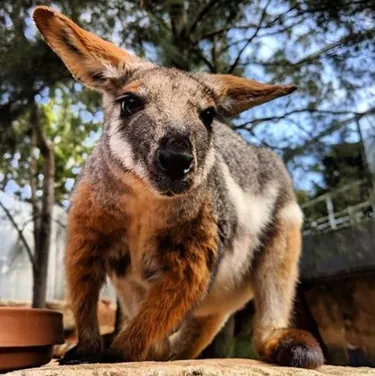
Across Australia, Aboriginal and Torres Strait Islander Peoples have cared for Country for tens of thousands of years. Their deep knowledge of plants, animals and ecosystems continues to shape our understanding of Australia's unique environment and offers valuable perspectives for students exploring Science, Geography and sustainability.
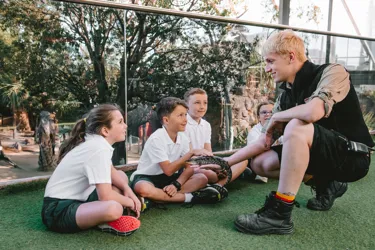
School excursions provide opportunities to complement classroom learning by encouraging students to observe Australian wildlife, reflect on the relationship between animals and their environments, and consider the importance of caring for Country.
A visit to WILD LIFE Sydney Zoo gives students the chance to encounter many of Australia's most recognisable native species while supporting conversations about biodiversity, habitat protection and the ongoing importance of environmental stewardship.
Understanding the Connection Between Wildlife and Country
For many Aboriginal and Torres Strait Islander communities, animals are not simply species to be identified. They are part of interconnected ecosystems and hold cultural, spiritual and environmental significance.
When students observe koalas, kangaroos, crocodiles or reptiles, teachers can encourage them to think beyond physical characteristics by asking broader questions:
- Why is protecting habitat important?
- How have people cared for these environments over thousands of years?
- What can we learn from Traditional ecological knowledge?
- How can modern conservation benefit from long-standing environmental practices?
These discussions encourage respectful reflection while helping students understand that environmental knowledge has been developed over countless generations.
Supporting Cross-Curricular Learning
This topic naturally complements learning across several curriculum areas.
Students can:
- Explore biodiversity through Science.
- Investigate landscapes through Geography.
- Discuss sustainability and environmental responsibility.
- Develop intercultural understanding.
- Reflect on different ways of knowing and caring for the natural world.
Rather than treating these learning areas separately, excursions help students recognise the connections between culture, environment and conservation.
Learning Through Observation
One of the strengths of WILD LIFE Sydney Zoo is that students can observe Australia's native wildlife in thoughtfully designed habitats.
Watching a koala resting among eucalyptus branches or observing the behaviour of reptiles allows students to make direct observations before returning to the classroom for deeper discussion and research.
Teachers may choose to extend learning through activities such as:
- researching local native species
- comparing ecosystems across Australia
- exploring conservation success stories
- investigating habitat restoration projects
- discussing the importance of protecting biodiversity for future generations
Expand the Experience Across Darling Harbour
Learning doesn't need to stop with Australian wildlife.
Schools can continue their excursion at SEA LIFE Sydney Aquarium, where students explore Australia's marine ecosystems and consider how caring for oceans is also an important part of protecting Country.
A visit to Sydney Tower Eye encourages students to examine Sydney's landscapes, waterways and urban development from above while discussing how people interact with the environment today.
Teachers looking to broaden learning across History and Civics can also include Madame Tussauds Sydney, where students encounter influential Australians whose stories have helped shape the nation.
Combining multiple attractions creates opportunities for students to make meaningful connections across Science, Geography and Humanities while enjoying a seamless excursion within Sydney's CBD.
Encouraging Future Environmental Leaders
Perhaps the most valuable outcome of an excursion is inspiring students to become active participants in protecting Australia's unique environments.
By observing native wildlife and discussing the importance of conservation, students begin to recognise that caring for ecosystems is a shared responsibility.
Small actions, such as reducing waste, protecting habitats and learning more about local biodiversity, can become powerful starting points for lifelong environmental stewardship.
Frequently Asked Questions
Is this suitable for primary and secondary students?
Yes. Teachers can adapt discussions to suit different year levels and curriculum outcomes.
Can this excursion support sustainability education?
Absolutely. Observing Australian wildlife provides an engaging foundation for conversations about biodiversity, conservation and caring for natural environments.
Can schools combine multiple attractions?
Yes. Many schools choose to visit WILD LIFE Sydney Zoo alongside SEA LIFE Sydney Aquarium, Sydney Tower Eye and Madame Tussauds Sydney to maximise learning opportunities across multiple subject areas.
Inspire students to explore Australia's unique wildlife while encouraging meaningful conversations about conservation, sustainability and caring for our natural environments.
Book a curriculum-aligned excursion to WILD LIFE Sydney Zoo, add a Guided Tour for deeper learning, or create a two-, three- or four-attraction educational experience across Darling Harbour.
