
Project: Cassowary
Discover how WILD LIFE Sydney Zoo is working with Rainforest Rescue to help protect endangered Southern Cassowaries and the rainforest habitat they depend on.

Protecting cassowaries starts with protecting their home
The Southern Cassowary is one of Australia’s most remarkable rainforest species, and an important part of keeping tropical rainforests healthy.
WILD LIFE Sydney Zoo has partnered with Rainforest Rescue, helping support conservation work that protects and restores vital rainforest habitat in Far North Queensland. Through habitat protection, restoration, education and advocacy, the partnership is helping create a stronger future for cassowaries and the many other species that share their rainforest home.

Meet the Southern Cassowary
Scientific name: Casuarius casuarius johnsonii
Conservation status: Endangered
Found in: Queensland’s Wet Tropics and Cape York Peninsula
Habitat: Tropical rainforest and surrounding habitats
Special skill: Spreading rainforest seeds
Southern Cassowaries are large, flightless birds instantly recognisable by their glossy black feathers, vibrant blue neck and distinctive casque on top of their head.
They are also much more than an impressive rainforest resident. Cassowaries play an important ecological role by eating rainforest fruits and carrying their seeds through the forest, helping plants spread and regenerate. The Southern Cassowary is important to maintaining rainforest plant diversity and community structure.
Why are Southern Cassowaries endangered?
The Southern Cassowary is listed as Endangered under Australia’s Environment Protection and Biodiversity Conservation Act. While habitat protection and rehabilitation have helped in parts of its range, cassowaries continue to face a number of significant threats.
Habitat loss
Clearing can remove the rainforest cassowaries rely on for food, shelter and breeding.
Habitat fragmentation
When rainforest becomes divided into smaller areas, cassowaries may need to travel further or cross roads to move between suitable habitats.
Roads and vehicles
Roads through cassowary habitat create a significant risk of vehicle strikes.
Dogs
Domestic dogs can injure or kill cassowaries, particularly young birds.
Human interaction
Feeding wild cassowaries can encourage them to approach people, homes and roads, increasing the risks they face. These threats are all identified in Australian recovery planning for the species.

Why cassowaries matter
Gardeners of the rainforest
Cassowaries help keep rainforests growing.
As they travel through the forest eating fruit, seeds pass through their digestive system and are dispersed in new locations. Their size also enables them to eat and disperse seeds from large rainforest fruits that many smaller animals cannot manage.
That makes protecting cassowaries about much more than protecting one species. Healthy cassowary populations help support healthy rainforest ecosystems.
How Project: Cassowary is helping
Protect
Help safeguard important rainforest habitat.
Rainforest Rescue identifies and purchases high conservation value rainforest, helping protect important habitat from development and conserve it for the future. Its current Daintree protection portfolio includes rainforest classified as essential habitat for the endangered Southern Cassowary.
Restore
Bring damaged rainforest back to life.
Previously cleared and degraded areas can be restored through revegetation and ongoing habitat management, creating more places for native wildlife to feed, move and shelter.
Reconnect
Create stronger wildlife corridors.
Connecting fragmented areas of rainforest gives cassowaries and other native species more space to safely move between habitats. Rainforest Rescue's work in the Daintree specifically focuses on increasing habitat connectivity as well as protecting biodiversity.
Reach
Connect people with cassowary conservation.
At WILD LIFE Sydney Zoo, Project: Cassowary helps bring the story of the Daintree and its wildlife to visitors thousands of kilometres away. Through education, fundraising, advocacy and conservation experiences, we can help more people understand why protecting cassowaries, and their rainforest home, matters.

Meet Princess
Meet our resident rainforest royalty
You don’t need to travel all the way to Far North Queensland to meet a Southern Cassowary.
At WILD LIFE Sydney Zoo, you can meet Princess, our male Southern Cassowary, and explore his Daintree Rainforest habitat.
Princess has become an important ambassador for his wild counterparts, helping visitors discover what makes cassowaries so extraordinary and why protecting their rainforest habitat matters.
Learn More About Princess

Rainforest Royalty
One of Australia’s most iconic rainforest birds

Nature’s Seed Disperser
Cassowaries help new rainforest plants grow

Dads on Duty
Male cassowaries raise and protect their chicks

Habitat Matters
Connected rainforest gives wildlife room to thrive.
What can you do to help cassowaries?
Small actions can help protect cassowaries and other Australian wildlife.
- Protect natural habitat and respect wildlife when exploring natural areas.
- Never feed wild cassowaries. They need to find their own natural food.
- Drive carefully when travelling through cassowary habitat and follow wildlife warning signs.
- Keep dogs under control around native wildlife and natural areas.
- Support habitat conservation helping protect and reconnect Australian rainforests.
- Share what you learn and help others understand why cassowaries and rainforests need protection.
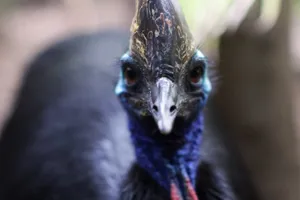
Learn About Southern Cassowaries at WILD LIFE Sydney Zoo
Step inside the Daintree Rainforest at WILD LIFE Sydney Zoo and meet Princess, our resident Southern Cassowary.
Discover his rainforest habitat, learn more about this endangered Australian species and find out why protecting cassowaries means protecting the rainforest around them.
You can also join our daily Cassowary Keeper Talk to hear more about Princess, cassowary behaviour and conservation.
Join Keeper Talks
Explore more conservation projects

Frogservation
Helping protect the endangered Littlejohn’s Tree Frog through breeding, research, habitat restoration and conservation.

Project: Cassowary
Supporting habitat restoration in the Daintree Rainforest to help protect the endangered Southern Cassowary and the ecosystem it calls home.

Discover Project: Koala
Supporting research to better understand koala movement, diet and habitat use in the Blue Mountains.
Plan Your Visit

General Admission
-
Peak pricing applies to school holidays and weekends.
Ticket Type Weekdays Weekends, School Holidays & Public Holidays On the day Advanced Adult $49.00 $39.00 $49.00 Child $36.00 $26.00 $36.00 Concession $39.00 $29.00 $39.00 Child (0-1 yrs) FREE Please note: Our ticket pricing is subject to available capacity and prices may fluctuate during periods of high demand.
Peak pricing includes school holidays in other Australian states.
- Price includes Digi Photo Pass with 8 digital photos included (excludes Koala Photo experience)!
- Children under 16 years of age must be accompanied by an adult (18+)
- Get your ticket on your phone
-
Ticket Type Weekdays Weekends, School Holidays & Public Holidays On the day Advanced Adult $49.00 $39.00 $49.00 Child $36.00 $26.00 $36.00 Concession $39.00 $29.00 $39.00 Child (0-1 yrs) FREE *All concession holders must have a valid concession/student/health care card to gain access to the attraction with a Student/Senior ticket.
Please note: Our ticket pricing is subject to available capacity and prices may fluctuate during periods of high demand.

2 Attraction Pass
- Visit SEA LIFE Sydney Aquarium within 60 days after visiting WILD LIFE
- Price includes Digi Photo Pass with 8 digital photos included!
-
Savings percentages are based on the maximum cost of purchasing individual entry tickets for each attraction when compared to purchasing a combo pass for the same date type (e.g. peak/off-peak, advance/on-the-day purchase).

Merlin Annual Pass
- 12 months of family fun at 8 top attractions in Australia and New Zealand
- Receive a great range of exclusive benefits and deals
- No blackout periods
- Pre-Booking is essential across all attractions
General Admission + Koala Photo
-
Peak pricing applies to school holidays and weekends.
Ticket Type Weekdays Weekends, School Holidays & Public Holidays On the day Advanced Adult $49.00 $39.00 $49.00 Child $36.00 $26.00 $36.00 Concession $39.00 $29.00 $39.00 Child (0-1 yrs) FREE Please note: Our ticket pricing is subject to available capacity and prices may fluctuate during periods of high demand.
Peak pricing includes school holidays in other Australian states.
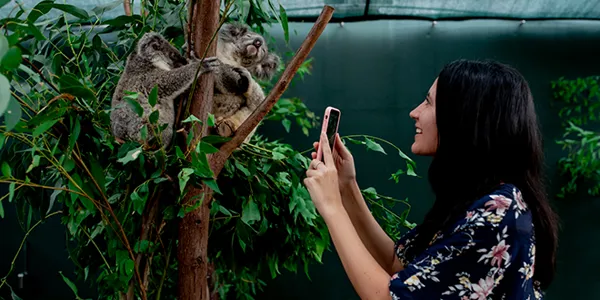
- A memorable photo opportunity
- Private session with a koala keeper inside the enclosure
- Get your ticket on your phone
Frequently Asked Questions
Project: Cassowary is WILD LIFE Sydney Zoo’s conservation partnership supporting Rainforest Rescue and its work protecting and restoring rainforest habitat in Far North Queensland. The project helps raise awareness and support for conservation actions that benefit endangered Southern Cassowaries and other native species.
Southern Cassowaries face threats including habitat loss and fragmentation, vehicle strikes, dog attacks and feeding by people. The Australian Southern Cassowary is listed as Endangered under national environment law.
Cassowaries eat rainforest fruit and disperse seeds as they move through their habitat. This helps rainforest plants spread and regenerate, making cassowaries an important part of maintaining the diversity and structure of tropical rainforest ecosystems.
WILD LIFE Sydney Zoo supports Rainforest Rescue through conservation fundraising, education, advocacy and awareness. The partnership helps connect visitors in Sydney with conservation work protecting and restoring important rainforest habitat in the Daintree.
Southern Cassowaries occur in northern Queensland, including the Wet Tropics and areas of Cape York Peninsula. Rainforest and associated habitats provide the food, shelter and space they need to survive.
Yes. Visitors can meet Princess, WILD LIFE Sydney Zoo’s male Southern Cassowary, in the Daintree Rainforest habitat and learn more about cassowaries and their conservation during a visit.
